
AI agents can do more than answer questions. They can run whole workflows, talk to tools, and act without waiting for a human. But without the right platform, those agents become hard to control, costly, and risky. In this guide we walk through the leading AI agent management platforms, highlight what each one does best, and show you how to pick the right fit for your team.
By the end you’ll know which platform gives you real observability, secure multi‑instance control, and the integrations you need to move from a demo to production.
1. AgentOps , Unified AI Agent Orchestration
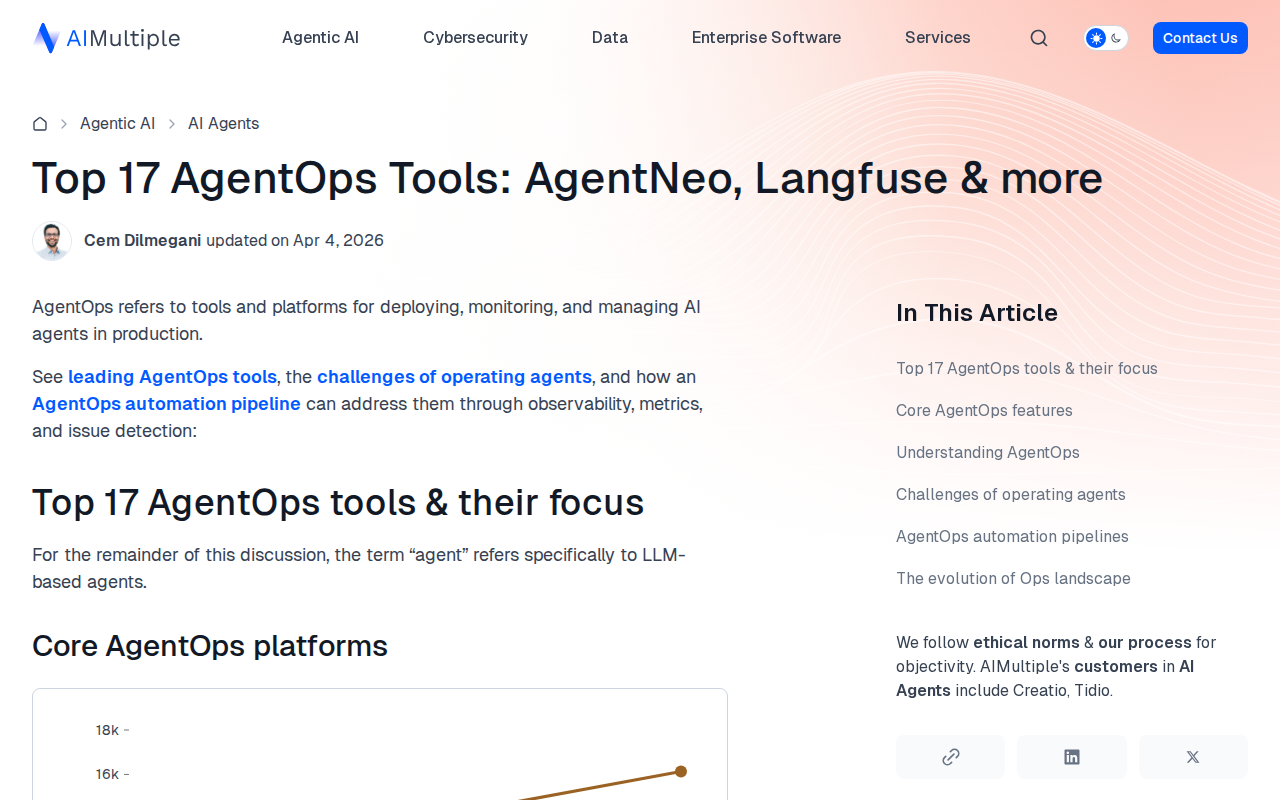
AgentOps is built for teams that need full visibility into every step an LLM‑based agent takes. It captures session replays, traces, and metrics so you can see why an agent made a decision.
The platform adds prompt management, so you can store, version, and A/B test prompts. That helps you catch prompt injection bugs before they reach users.
It also offers real‑time dashboards that show latency, cost, and error rates per agent. When something spikes, you get an alert and can drill down to the exact tool call that caused it.
For agencies, the multi‑instance view is a game‑changer. You can spin up a separate agent for each client and still monitor them from one pane.
AgentOps also supports human‑in‑the‑loop approvals. If an agent wants to change a record, it can pause and wait for a manager to click “approve”.
Because most of the tooling is open source on GitHub, you can extend it with custom adapters to your own databases.
982+ Integrations – Connect Your AI Agents to Any Tool let you link AgentOps metrics to your existing monitoring stack.
Bottom line:AgentOps shines when you need deep observability and approval controls for many agents.
2. LangChain Hub , Open-Source Agent Framework

LangChain Hub is the go‑to place for open‑source agent building. It ships with LangSmith, a tracing and evaluation layer that records every LLM call, tool use, and data fetch.
With LangSmith you can turn production traces into test cases. That means each time you push a change, the platform runs the same real‑world scenarios and flags regressions.
The Hub also offers a “Fleet” feature that lets you run many agents from the same codebase, each with its own memory and toolset.
Because it’s open source, you can self‑host the whole stack or use the managed cloud version. The code lives on GitHub, so community contributions are fast.
LangChain’s built‑in memory lets agents keep context across turns, which is crucial for multi‑step tasks like order processing.
The platform also supports a wide range of model providers, OpenAI, Anthropic, Mistral, and more, so you can pick the best cost‑performance mix.
For teams that value flexibility, LangChain Hub lets you drop in a custom tool node with a few lines of Python, then watch it appear in the trace UI.
According to Wikipedia’s definition of software agents, an agent “acts autonomously to achieve goals”. LangChain gives you the scaffolding to build such agents without reinventing the wheel.
Bottom line:LangChain Hub is perfect for developers who want a powerful, extensible framework with built‑in tracing.
3. AutoGPT Cloud , Scalable Agent Deployments
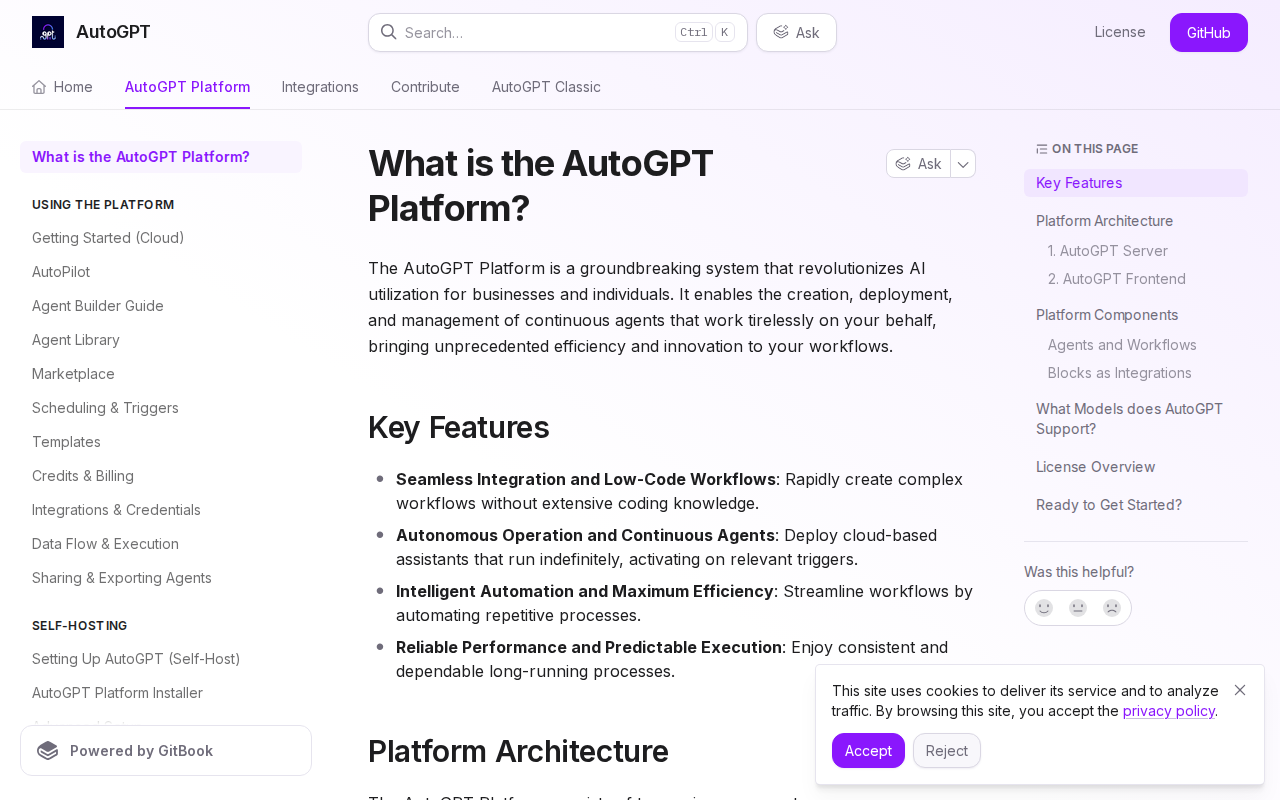
AutoGPT Cloud lets you create continuous agents that run in the cloud without worrying about servers. The UI is low‑code: you drag blocks that represent actions, then connect them into a workflow.
Each block can call an external API, run a custom script, or invoke a large language model. The platform supports dozens of model providers, from OpenAI’s GPT‑5 to Anthropic’s Claude Opus.
When you hit “Deploy”, AutoGPT provisions a dedicated compute instance, sets up SSL, and connects your chosen messaging channels. The whole process takes under a minute.
The platform also includes monitoring dashboards that show run time, token usage, and error rates per workflow. You can set alerts for cost spikes.
AutoGPT Cloud shines for agencies that need to spin up many client‑specific agents fast. The marketplace offers pre‑built agents for common tasks like lead qualification and invoice processing.
Because the service is cloud‑native, you get automatic scaling. If an agent gets a burst of requests, the platform adds more compute behind the scenes.
Human‑in‑the‑loop gates are available for high‑risk actions. An agent can pause and wait for a manager to approve a payment before it proceeds.
Multi‑Agent Orchestration | Donely Hub shows how you can link several AutoGPT agents together under one dashboard.
Bottom line:AutoGPT Cloud offers rapid, low‑code deployment and built‑in scaling for high‑volume agent fleets.
4. DeepInfra Agent Suite , Enterprise‑Grade Controls
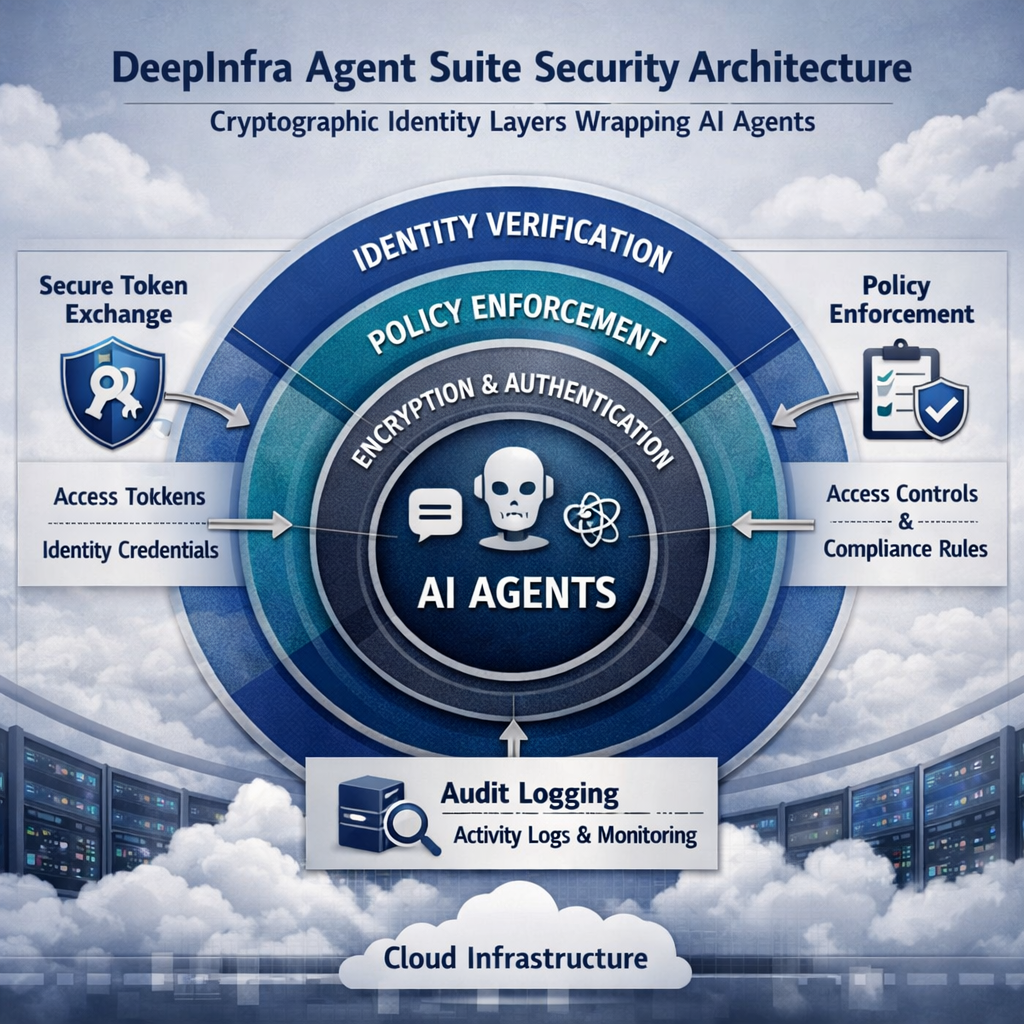
DeepInfra focuses on security. It gives every AI agent a cryptographic identity and short‑lived credentials, so you can enforce fine‑grained access policies.
The suite sits as a sidecar service that intercepts all tool calls. It checks policies, logs the request, and can reject anything that doesn’t match the rule set.
This approach works no matter which framework you use, LangChain, CrewAI, or a custom stack. You just point your agent at the DeepSecure endpoint.
Because the identity is cryptographic, you can rotate keys without downtime, and you get audit logs that tie each action back to a specific agent identity.
DeepInfra also supports policy versioning. When a regulator asks why an action was taken, you can replay the exact policy that was active at the time.
The project is open source under Apache 2.0, so you can audit the code yourself. The community provides examples for popular frameworks, making integration quick.
For regulated industries, the combination of cryptographic identity and immutable audit trails meets many compliance checklists out of the box.
According to the NIST AI standards page, strong identity and audit capabilities are a core requirement for trustworthy AI systems.
Bottom line:DeepInfra gives you enterprise‑grade security and policy control for any AI agent.
5. Replit AI Agents , Easy No‑Code Setup
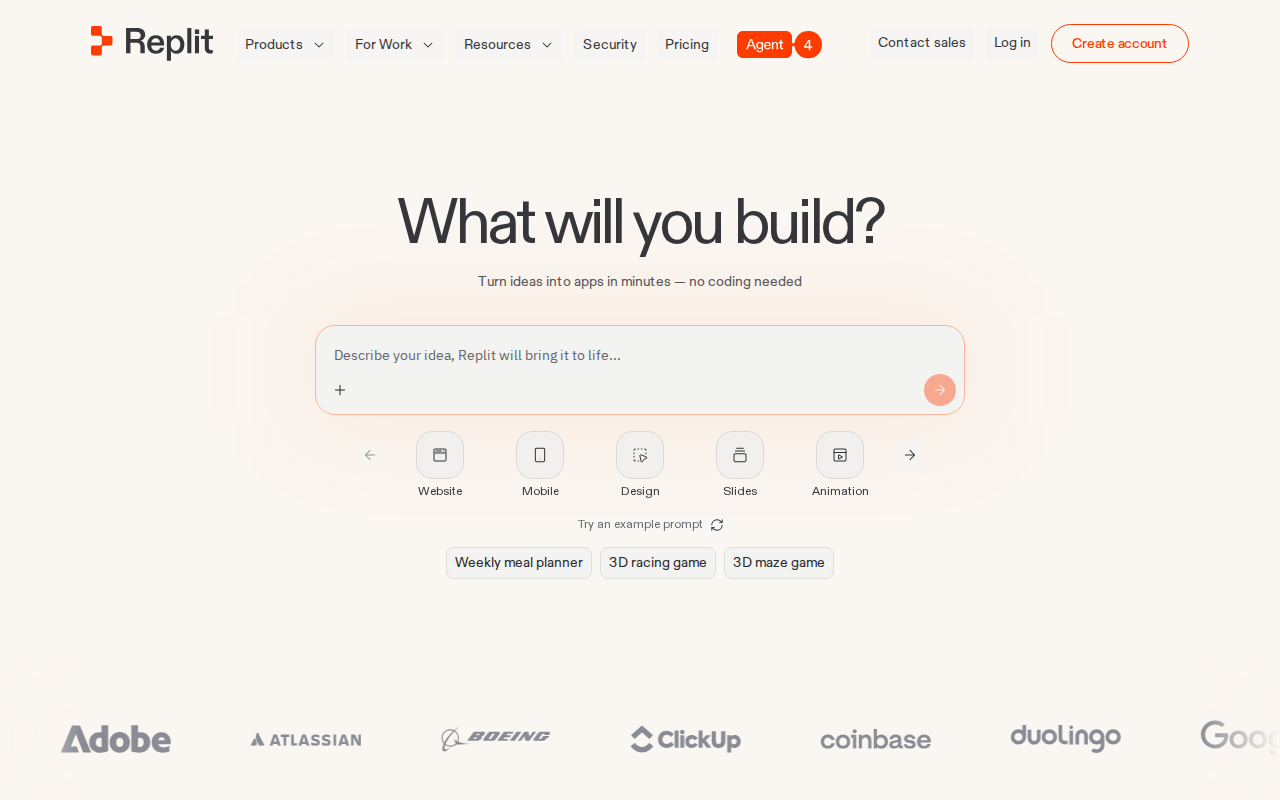
Replit offers a no‑code canvas where you can build agents by typing natural‑language instructions. The platform turns those instructions into a runnable agent behind the scenes.
It’s great for solo founders or small teams that want to prototype fast. You pick a model, give the agent a name, and add a few tool definitions (e.g., fetch Google Sheets, send email).
Once you click “Run”, Replit provisions a container, connects the tools, and gives you a chat window to talk to the agent.
The platform also includes a simple analytics view that shows how many calls were made, average latency, and any errors.
Because everything runs on Replit’s infrastructure, you don’t need to manage servers or SSL certificates.
Replit’s marketplace offers pre‑built agents for common tasks like social media posting or data scraping.
While it lacks the deep multi‑instance dashboards of Donely, it’s a solid entry point for teams that need to test ideas quickly.
Best White Label AI Agent Guide 2026 – Donely explains how you can move from a Replit prototype to a fully managed, multi‑instance deployment with Donely.
Bottom line:Replit AI Agents let you launch simple bots without code, then scale up with a more strong platform if needed.
What to Look For in an AI Agent Management Platform
Choosing the right platform is about matching your risk, scale, and budget. Here are the key questions you should ask.
- Does the platform give you multi‑instance isolation? This protects each client’s data.
- Is role‑based access control (RBAC) built in? You need to limit who can trigger high‑risk actions.
- How many native integrations are available out of the box? More integrations mean less custom glue code.
- Can you see a full trace of every tool call? Observability helps you debug and audit.
- What is the pricing model? Look beyond the headline fee to token costs and per‑instance fees.
, only 26% of platforms support both multi‑instance management and RBAC, making those features a strong differentiator.
Bottom line:The best platform gives you secure, observable, and cost‑transparent agent fleets.
Feature Comparison Table
Below is a quick glance at how the five platforms stack up on the most important criteria for agencies and SMBs.
Donely (not listed here) offers all of the above plus 800+ integrations and a unified dashboard, making it the only platform that hits every check for agencies.
Bottom line:The table shows why most teams gravitate toward a platform that covers isolation, RBAC, and deep observability in one place.
FAQ
What is an AI agent management platform?
An AI agent management platform provides the tools to build, deploy, monitor, and govern autonomous agents. It bundles features like multi‑instance isolation, role‑based access control, integration connectors, and observability dashboards so you can run agents at scale without writing custom DevOps code.
Do I need a cloud‑hosted solution or can I self‑host?
Both options exist. Cloud‑hosted services like AutoGPT Cloud or Replit handle infrastructure for you, while open‑source stacks like LangChain Hub or DeepInfra let you self‑host on your own servers for tighter data control. Choose based on your compliance needs and engineering bandwidth.
How does multi‑instance management improve security?
Multi‑instance isolation gives each client or department its own sandboxed environment. Data, credentials, and logs stay separate, which limits cross‑tenant leakage and makes it easier to meet GDPR or HIPAA requirements.
What is RBAC and why does it matter?
RBAC (role‑based access control) lets you assign permissions by role instead of by individual user. In an AI context it means you can restrict which agents can call a payment API or edit a CRM record, reducing the risk of accidental or malicious actions.
Can I integrate my existing tools like Salesforce or Slack?
All of the platforms listed support dozens of native connectors. Donely, for example, ships with over 800 pre‑built integrations, while AgentOps and AutoGPT Cloud each support hundreds of APIs out of the box. You can also add custom connectors via webhooks or SDKs.
How do I monitor costs?
Look for platforms that surface token usage, API call counts, and per‑workflow runtime in their dashboards. AutoGPT Cloud includes a cost estimator, and AgentOps shows cost per session. Combine those metrics with your own budget alerts to avoid surprise bills.
Is human‑in‑the‑loop required for compliance?
For high‑risk actions, like moving money or changing contract terms, most regulators expect a human sign‑off. Platforms such as AgentOps and DeepInfra let you embed approval dialogs that pause the agent until a manager clicks approve.
Can I start for free?
Yes. LangChain Hub and Replit AI Agents both offer free tiers with limited usage. Donely also provides a forever‑free plan that includes one instance and a handful of integrations, which is enough to prototype before scaling.
Conclusion
When you need to run many AI agents across clients, you need more than a pretty UI. You need isolation, strict access controls, deep observability, and a rich integration catalog.
AgentOps gives you tracing power; LangChain Hub offers an extensible open‑source core; AutoGPT Cloud makes large‑scale deployment simple; DeepInfra adds enterprise‑grade security; and Replit AI Agents let you prototype in minutes.
But for agencies and SMBs that want a single platform covering all bases, Donely stands out. It bundles unlimited multi‑instance management, built‑in RBAC, and 800+ native integrations at no cost, while most competitors charge per seat or limit features.
Ready to move from experiments to production?Start your free trial today and see how a unified dashboard can cut weeks of DevOps work.